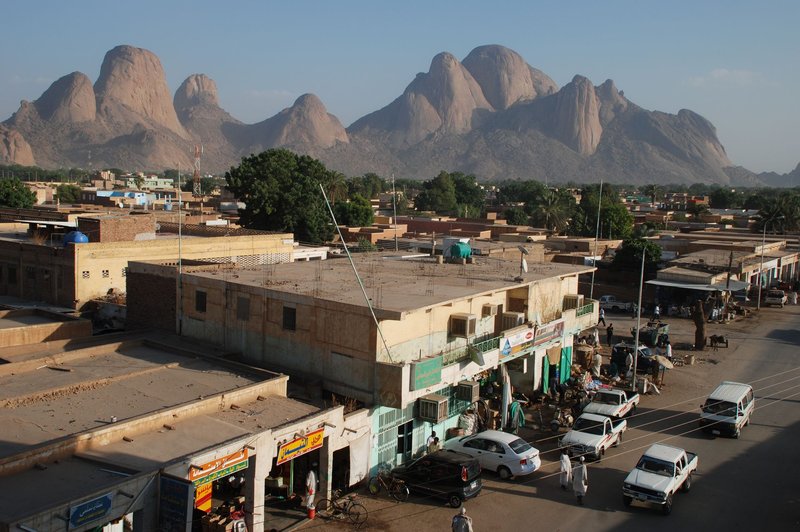
Kassala, Sudan
Kassala is a major city in Sudan with a population of 600,000.
Overview
Kassala is a city in Kassala with a population of 600,000. Kassala is a major city in Sudan with a population of 600,000. Housing is more affordable than the national average. The overall cost of living is below the national average. Gardening thrives here — the 7a growing zone supports Mild — wide variety of vegetables, many fruit trees. A relatively small share of residents hold a bachelor’s degree. The city enjoys abundant sunshine, with about 310 sunny days a year. The population skews young, with a median age of 19.0.
Last updated: August 30, 2026
Below Average vs Sudan Avg (100)
Affordable
Household income
Job market health
Kassala vs Sudan Average
Taxes
- State Income Tax: None
- Sales Tax: 0.0%
Economy & Jobs
- Median Income: ج.س 360,000
- Unemployment: 5.0%
- Population: 600,000
Climate
- Sunny Days: 310/year
- Summer High: 102°F
- Winter Low: 62°F
- Farming Zone: USDA Zone 7a
Housing
- Median Home: ج.س10,000,000
- 1BR Rent: ج.س25000/mo
Cost of Living
Kassala's cost of living index is 72 (Sudan average = 100).
| Category | Kassala | National Average | Difference |
|---|---|---|---|
| Overall | 72 | 100 | -28.0% |
| Housing | 78 | 100 | -22.0% |
Data source: Council for Community and Economic Research (C2ER), 2026
Housing Market
| Metric | Value |
|---|---|
| Median Home Price | ج.س10,000,000 |
| Median Rent (1BR) | ج.س25000/mo |
| Median Rent (2BR) | ج.س31,250/mo |
| Price per Sq Ft | ج.س6,666 |
Data source: Zillow Research, 2026
True Cost of Home Ownership
Utilities
Estimated monthly utility costs for a typical household in Kassala:
| Utility | Estimated Monthly Cost | Notes |
|---|---|---|
| Electricity | ج.س5000 | |
| Heating & Cooling | N/A | Estimated based on local climate. |
| Cooling (AC) | ج.س97 | Estimated based on local climate and electricity rates |
| Water | ج.س2000 | Includes sewer |
| Internet (100+ Mbps) | ج.س10000 | Broadband average |
| Garbage / Trash | Included in taxes | Municipal service (covered by property taxes) |
| Total Utilities | ج.س17097 | Monthly estimate (including heating & cooling) |
Data sources: U.S. Energy Information Administration (EIA) 2024, EPA/AWWA water rate surveys, BroadbandNow
Remote Work Score
Kassala scores —/100 for remote work readiness:
Climate
Kassala has a varied climate with distinct seasons.
| Month | Avg High | Avg Low | Rainfall |
|---|---|---|---|
| January | 82°F | 62°F | 2.5" |
| April | 87°F | 77°F | 2.8" |
| July | 102°F | 77°F | 1.5" |
| October | 82°F | 80°F | 2.2" |
Mild — wide variety of vegetables, many fruit trees
Natural Hazards
Kassala faces the following natural hazards:
Sahel region with extreme drought conditions.
Extreme summer heat.
Frequent sandstorms.
Moderate seismic activity with occasional earthquakes.
Nile River flooding.
Based on historical records and geographic risk assessment.
Taxes
- State Income Tax: 0% (None)
- Sales Tax: 0%
- Property Tax: ~0.1% of assessed value
Economy & Jobs
Major industries include technology, healthcare, education, and manufacturing. The unemployment rate is 5.0%.
Schools & Education
Academic Schedule
Friday is the weekly holiday.
Universities & Higher Education
Data source: Center for World University Rankings (CWUR) & World Universities Database
Demographics
The population of Kassala is diverse. The figures below show the ethnic, educational, and religious composition of the local population.
Ethnicity
Education
Religion
City-level demographic data is not available for this location. The figures shown are national averages, which may differ from actual conditions in this city.
Data source: Central Bureau of Statistics (2008)
Important Disclaimer: All data on this page is for informational purposes only and does not constitute financial, legal, tax, or real estate advice. URCity and Northshore Press are not financial advisors, tax professionals, or real estate agents. Always consult qualified professionals before making relocation or financial decisions.
Frequently Asked Questions
What is the cost of living in Kassala, Sudan?
The cost of living index in Kassala is 72, which is Lower the Sudan national average of 100.
How much does it cost to buy a home in Kassala?
The median home price in Kassala is ج.س10,000,000. The housing index is 78.
What is the average rent for a 1-bedroom apartment?
The average rent for a 1-bedroom apartment in Kassala is approximately ج.س25000/mo.
Does Kassala, Kassala have income tax?
Kassala is in Kassala, which has no income tax.
What is the climate like in Kassala?
Kassala enjoys approximately 310 sunny days per year. Summer highs reach around 102°F, while winter lows can drop to around 62°F.
Data Sources
- Cost of Living: Council for Community and Economic Research (C2ER), 2026
- Housing Data: Zillow Research, 2026
- Income & Employment: US Census Bureau American Community Survey, 2024
- Utilities U.S. Energy Information Administration (EIA) 2024, EPA/AWWA water rate surveys, BroadbandNow
Data last updated: September 13, 2026. Data may not reflect current market conditions. Always verify with local sources before making relocation decisions.